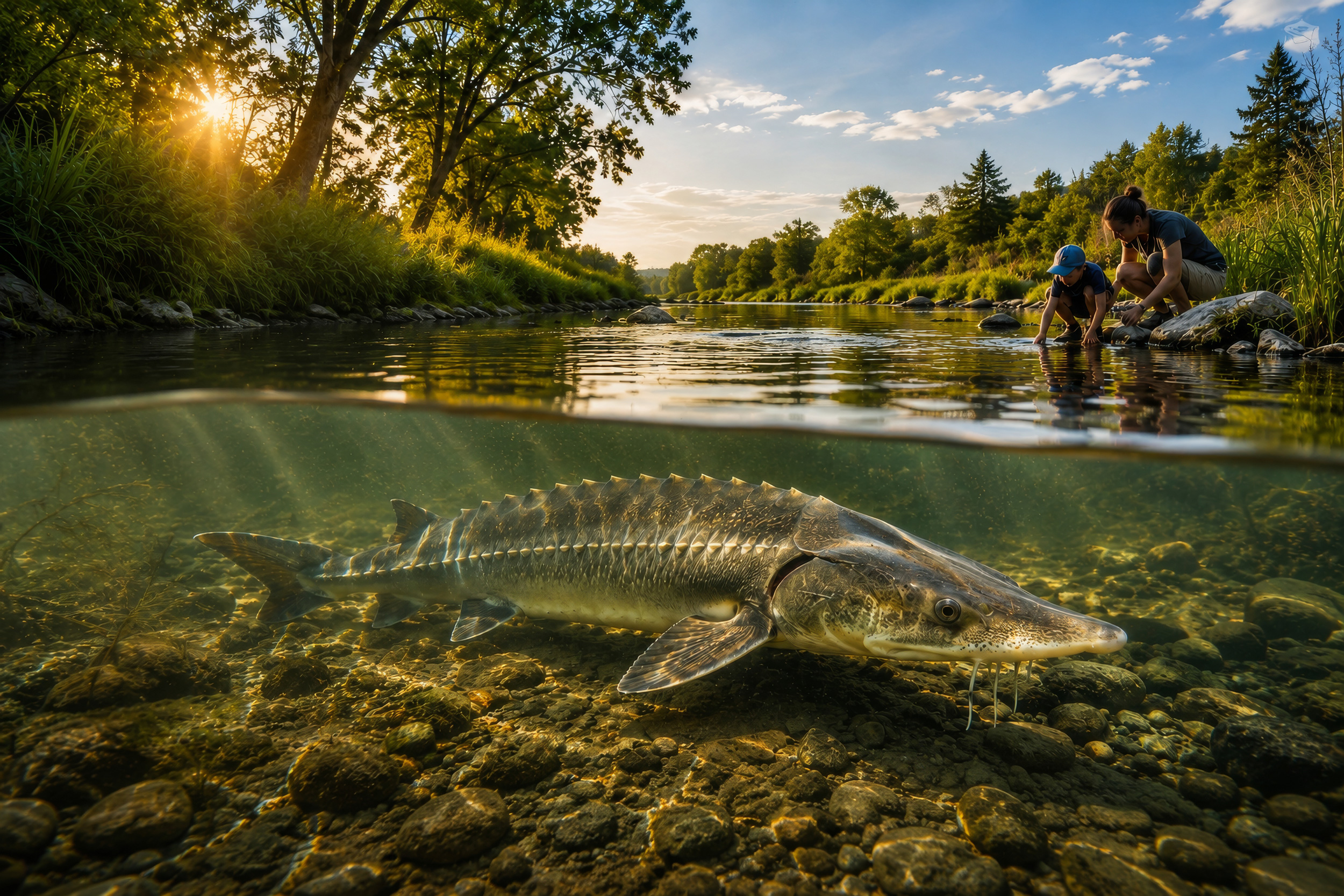
Lake sturgeon in the St. Francis River
Image © ORS|OSF
All Rights Reserved
Lake sturgeon in the St. Francis River
AI-assisted © ORS|OSF
All Rights Reserved
Observatory of the St. Francis Watershed
Exploring, documenting, and revealing the hidden life of the St. Francis River and its watershed.
Sometimes the most extraordinary discoveries are found close to home.
EXPLORATION
WILDLIFE
STORYTELLING
WATERSHED
EDUCATION
Exploring the hidden world beneath the surface
Documenting the
St. Francis' remarkable biodiversity
Using photography and video to share the story of the watershed
Understanding the
St. Francis and its ecosystems
Engaging schools and communities in discovery and stewardship
ABOUT





The Observatory of the St. Francis (OSF) is a regional initiative of the St. Lawrence Shark Observatory (ORS) dedicated to the ecological discovery, documentation, and promotion of the St. Francis River watershed and its ecosystems. The project brings together science, education, visual storytelling, and citizen engagement to help foster a renewed appreciation for one of central Québec’s most important and overlooked natural environments.
Although publicly unveiled only recently, the initiative traces its origins back more than twenty years. In 2003, following a sabbatical year devoted to establishing the scientific diving programme at the Quebec Aquarium, ORS founder Jeffrey Hay Gallant began a quiet series of underwater explorations of the St. Francis River between downtown Drummondville and Saint-Joachim-de-Courval. What he discovered beneath the surface profoundly changed his perception of the river.

Rite of autumn on the Saint-François River, in Drummondville, Québec. The last cackles of greater snow geese (Anser caerulescens atlanticus) ring out from the fog cloaking the partially frozen tributary of the St. Lawrence. © OSF | Jeffrey Hay Gallant
Hidden from view was a surprisingly rich aquatic world: lake sturgeon moving through the current like relics from another age, vast schools of fish navigating the rapids, and an ecosystem far more alive and complex than most people imagined from the shoreline. Those early explorations planted the seeds of what would eventually become the Observatory of the St. Francis.
Today, the OSF seeks to encourage the public to rediscover the St. Francis River, not simply as a geographic feature crossing the city, but as a living ecosystem of remarkable ecological, historical, and cultural significance.
The project also reflects a broader spirit of civic engagement increasingly encouraged within Drummondville itself: the idea that citizens can actively contribute to the beauty, identity, and future of their community. The OSF hopes to offer a concrete avenue for that engagement by bringing together citizens, institutions, schools, photographers, researchers, and conservation-minded partners around a shared appreciation for the river and its watershed.


A River Worth Rediscovering
The St. Francis River watershed supports a remarkable diversity of wildlife, including more than fifty species of fish, beavers, moose, river otters, snapping turtles, migratory birds, and countless other organisms connected to the river’s dynamic ecosystems.
At the heart of the project is a simple but powerful idea: extraordinary natural worlds often exist where people least expect them.
For decades, the founder’s work has brought him across the Atlantic Ocean, from Atlantic Canada to Romania and Africa, eventually focusing on sharks and the marine ecosystems of the North Atlantic. Yet despite expeditions abroad, scientific diving projects, and international collaborations, the St. Francis River has remained a constant personal and emotional anchor.
Like a salmon returning to its natal river after years at sea, he eventually found his way back to Drummondville to reconnect with his roots and begin documenting the hidden life of the Saint-François.
That connection is also deeply familial. River otters, a favourite animal of his daughter Béatrice, have become symbolic of riverside explorations shared together since she was old enough to walk. Their shared fascination with aquatic wildlife has even extended overseas, including family journeys to Scotland connected to their ancestral roots and wildlife observation.
As a result, the OSF is not merely a scientific initiative. It is also a profoundly human one, rooted in memory, family history, curiosity, and a lifelong fascination with the natural world.

Moose (Alces alces) and her calves in the Parc régional de la Forêt-Drummond. © OSF | Jeffrey Hay Gallant
Science, imagery, and public awareness
The Observatory of the St. Francis combines scientific observation with visual storytelling in order to make freshwater ecosystems more accessible and engaging to the public.
Over time, discoveries and field observations will be shared through:
- a dedicated website;
- underwater photography and film productions;
- educational articles and galleries;
- school presentations when time permits;
- and public outreach initiatives focused on freshwater biodiversity and conservation.
The organisation is also exploring the possibility of establishing a permanent exhibition space where photographs and underwater footage from the river could be presented to the public, allowing citizens to discover the hidden world beneath the surface of the St. Francis.
The project is designed as a gradual, long-term initiative that will evolve alongside the primary scientific activities of the St. Lawrence Shark Observatory.
A perspective beneath the surface
The OSF was inspired in part by the philosophy of Jacques-Yves Cousteau and the belief that changing perspective can fundamentally alter how we perceive the natural world.
Sometimes, the most extraordinary discoveries are not found in distant oceans or remote wildernesses, but directly beneath our feet, or beneath the surface of a river crossed every day without a second thought.
The St. Francis Observatory exists to reveal that hidden richness, one immersion at a time.
We invite the public to rediscover their river, to see it as we see it beneath the surface: alive, surprising, and profoundly precious.
Building the foundation
The project is currently being developed and an official announcement will be made once the platform is ready and public access becomes available. In the meantime, we will continue exploring, documenting, and photographing the watershed while building the image archive and knowledge base that will serve as its foundation.
We also invite the public to help us identify the hidden treasures of the St. Francis River watershed. If you know of an exceptional natural site, a memorable wildlife observation, an underwater feature, or a place of ecological, historical, or cultural significance anywhere within the watershed, we would be pleased to hear from you. Your suggestion may become the focus of a future exploration, photographic project, feature article, or scientific documentation effort. Please visit the Contact page for information on how to share your observations.
Observatory of the
St. Francis Watershed
Exploring, documenting, and revealing the hidden life of the St. Francis River and its watershed.
EXPLORATION
WILDLIFE
STORYTELLING
WATERSHED
EDUCATION
Exploring the hidden world beneath the surface
Documenting the
St. Francis' remarkable biodiversity
Using photography and video to share the story of the watershed
Understanding the
St. Francis and its ecosystems
Engaging schools and communities in discovery and stewardship
ABOUT
Sometimes the most extraordinary discoveries are found close to home.
The Observatory of the St. Francis (OSF) is a regional initiative of the St. Lawrence Shark Observatory (ORS) dedicated to the ecological discovery, documentation, and promotion of the St. Francis River watershed and its ecosystems. The project brings together science, education, visual storytelling, and citizen engagement to help foster a renewed appreciation for one of central Québec’s most important and overlooked natural environments.
Although publicly unveiled only recently, the initiative traces its origins back more than twenty years. In 2003, following a sabbatical year devoted to establishing the scientific diving programme at the Quebec Aquarium, ORS founder Jeffrey Hay Gallant began a quiet series of underwater explorations of the St. Francis River between downtown Drummondville and Saint-Joachim-de-Courval. What he discovered beneath the surface profoundly changed his perception of the river.
Rite of autumn on the Saint-François River, in Drummondville, Québec. The last cackles of greater snow geese (Anser caerulescens atlanticus) ring out from the fog cloaking the partially frozen tributary of the St. Lawrence. © OSF | Jeffrey Hay Gallant
Hidden from view was a surprisingly rich aquatic world: lake sturgeon moving through the current like relics from another age, vast schools of fish navigating the rapids, and an ecosystem far more alive and complex than most people imagined from the shoreline. Those early explorations planted the seeds of what would eventually become the Observatory of the St. Francis.
Today, the OSF seeks to encourage the public to rediscover the St. Francis River, not simply as a geographic feature crossing the city, but as a living ecosystem of remarkable ecological, historical, and cultural significance.
The project also reflects a broader spirit of civic engagement increasingly encouraged within Drummondville itself: the idea that citizens can actively contribute to the beauty, identity, and future of their community. The OSF hopes to offer a concrete avenue for that engagement by bringing together citizens, institutions, schools, photographers, researchers, and conservation-minded partners around a shared appreciation for the river and its watershed.
A River Worth Rediscovering
The St. Francis River watershed supports a remarkable diversity of wildlife, including more than fifty species of fish, beavers, moose, river otters, snapping turtles, migratory birds, and countless other organisms connected to the river’s dynamic ecosystems.
At the heart of the project is a simple but powerful idea: extraordinary natural worlds often exist where people least expect them.
For decades, the founder’s work has brought him across the Atlantic Ocean, from Atlantic Canada to Romania and Africa, eventually focusing on sharks and the marine ecosystems of the North Atlantic. Yet despite expeditions abroad, scientific diving projects, and international collaborations, the St. Francis River has remained a constant personal and emotional anchor.
Like a salmon returning to its natal river after years at sea, he eventually found his way back to Drummondville to reconnect with his roots and begin documenting the hidden life of the Saint-François.
That connection is also deeply familial. River otters, a favourite animal of his daughter Béatrice, have become symbolic of riverside explorations shared together since she was old enough to walk. Their shared fascination with aquatic wildlife has even extended overseas, including family journeys to Scotland connected to their ancestral roots and wildlife observation.
As a result, the OSF is not merely a scientific initiative. It is also a profoundly human one, rooted in memory, family history, curiosity, and a lifelong fascination with the natural world.
Moose (Alces alces) and her calves in the Parc régional de la Forêt-Drummond. © OSF | Jeffrey Hay Gallant
Science, imagery, and public awareness
The Observatory of the St. Francis combines scientific observation with visual storytelling in order to make freshwater ecosystems more accessible and engaging to the public.
Over time, discoveries and field observations will be shared through:
- a dedicated website;
- underwater photography and film productions;
- educational articles and galleries;
- school presentations when time permits;
- and public outreach initiatives focused on freshwater biodiversity and conservation.
The organisation is also exploring the possibility of establishing a permanent exhibition space where photographs and underwater footage from the river could be presented to the public, allowing citizens to discover the hidden world beneath the surface of the St. Francis.
The project is designed as a gradual, long-term initiative that will evolve alongside the primary scientific activities of the St. Lawrence Shark Observatory.
A perspective beneath the surface
The OSF was inspired in part by the philosophy of Jacques-Yves Cousteau and the belief that changing perspective can fundamentally alter how we perceive the natural world.
Sometimes, the most extraordinary discoveries are not found in distant oceans or remote wildernesses, but directly beneath our feet, or beneath the surface of a river crossed every day without a second thought.
The St. Francis Observatory exists to reveal that hidden richness, one immersion at a time.
We invite the public to rediscover their river, to see it as we see it beneath the surface: alive, surprising, and profoundly precious.
Building the foundation
The project is currently being developed and an official announcement will be made once the platform is ready and public access becomes available. In the meantime, we will continue exploring, documenting, and photographing the watershed while building the image archive and knowledge base that will serve as its foundation.
We also invite the public to help us identify the hidden treasures of the St. Francis River watershed. If you know of an exceptional natural site, a memorable wildlife observation, an underwater feature, or a place of ecological, historical, or cultural significance anywhere within the watershed, we would be pleased to hear from you. Your suggestion may become the focus of a future exploration, photographic project, feature article, or scientific documentation effort. Please visit the Contact page for information on how to share your observations.
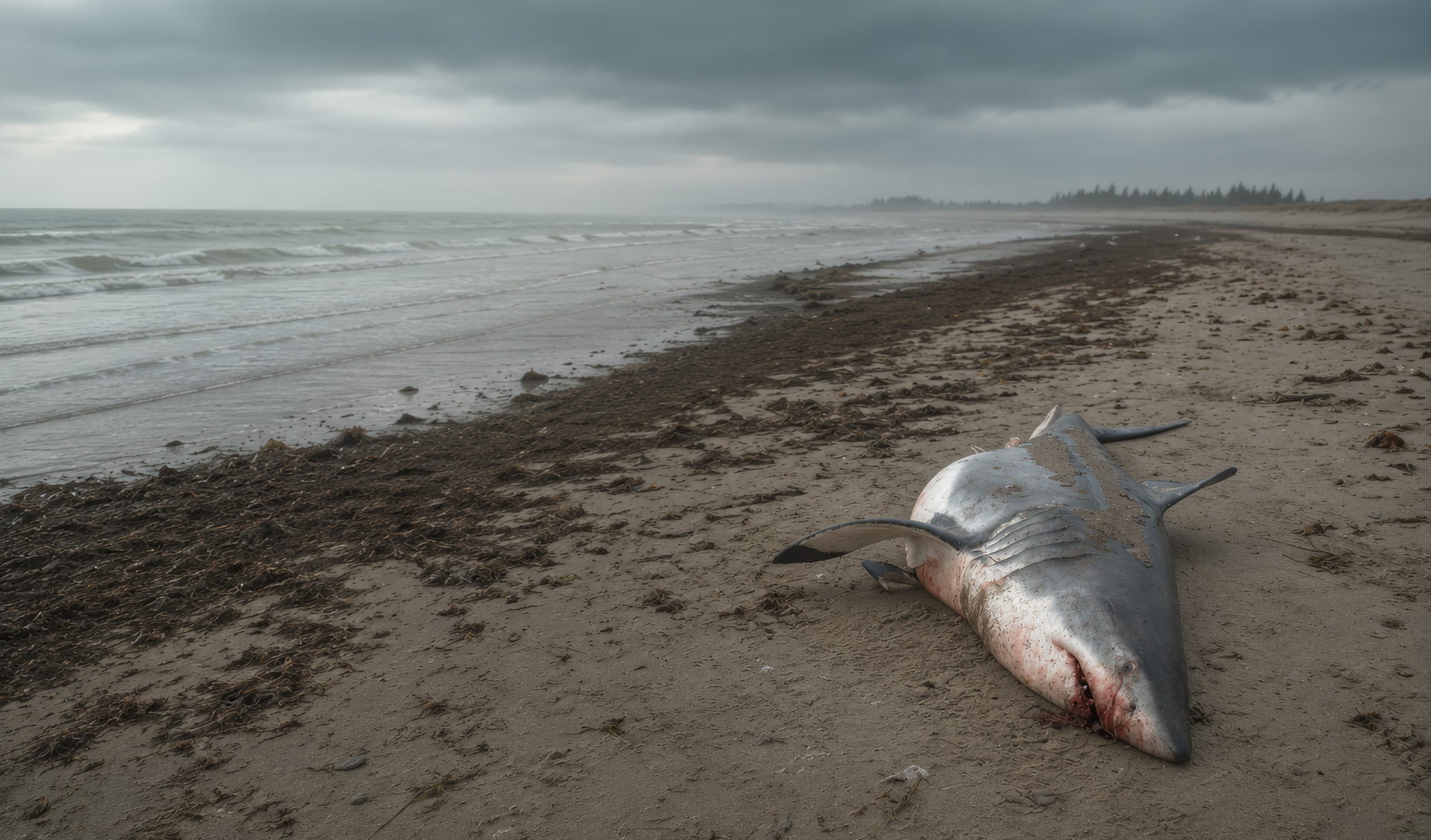
Stranded white shark near Kouchibouguac National Park, New Brunswick
AI-assisted © ORS |. All Rights Reserved
“Fear and apathy bite deeper
than any shark.”
Help protect the sharks
of the St. Lawrence.
— Jeffrey Hay Gallant, ORS
The St. Lawrence Shark Observatory is a registered charity:
Canada Revenue Agency #834462913RR0001
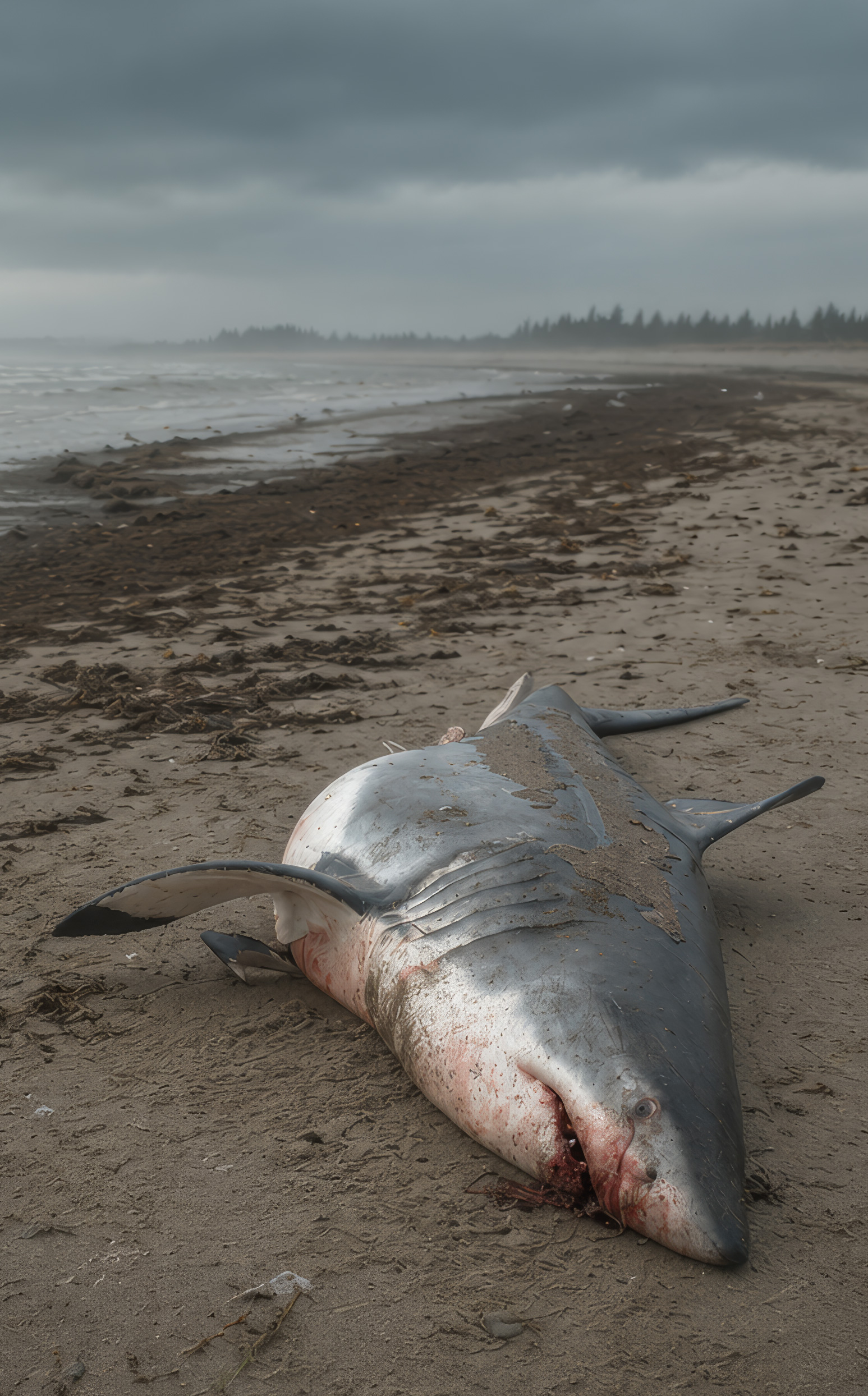
Stranded white shark near Kouchibouguac National Park, New Brunswick
AI-assisted © ORS |. All Rights Reserved
“Fear and apathy
bite deeper
than any shark.”
Help protect the sharks
of the St. Lawrence.
— Jeffrey Hay Gallant, ORS
The St. Lawrence Shark Observatory is a registered charity:
Canada Revenue Agency #834462913RR0001


CSAR
OSF
PUBLICATIONS

© 2026 St. Lawrence Shark Observatory. All Rights Reserved.
CSAR
OSF
PUBLICATIONS
© 2026 St. Lawrence Shark Observatory
All Rights Reserved